A Rapidly Expanding Industrial Economy
Saudi Arabia is undergoing one of the largest industrial expansions in its history. Mega projects, new manufacturing zones, logistics hubs, and infrastructure developments are accelerating across the Kingdom under Vision 2030.
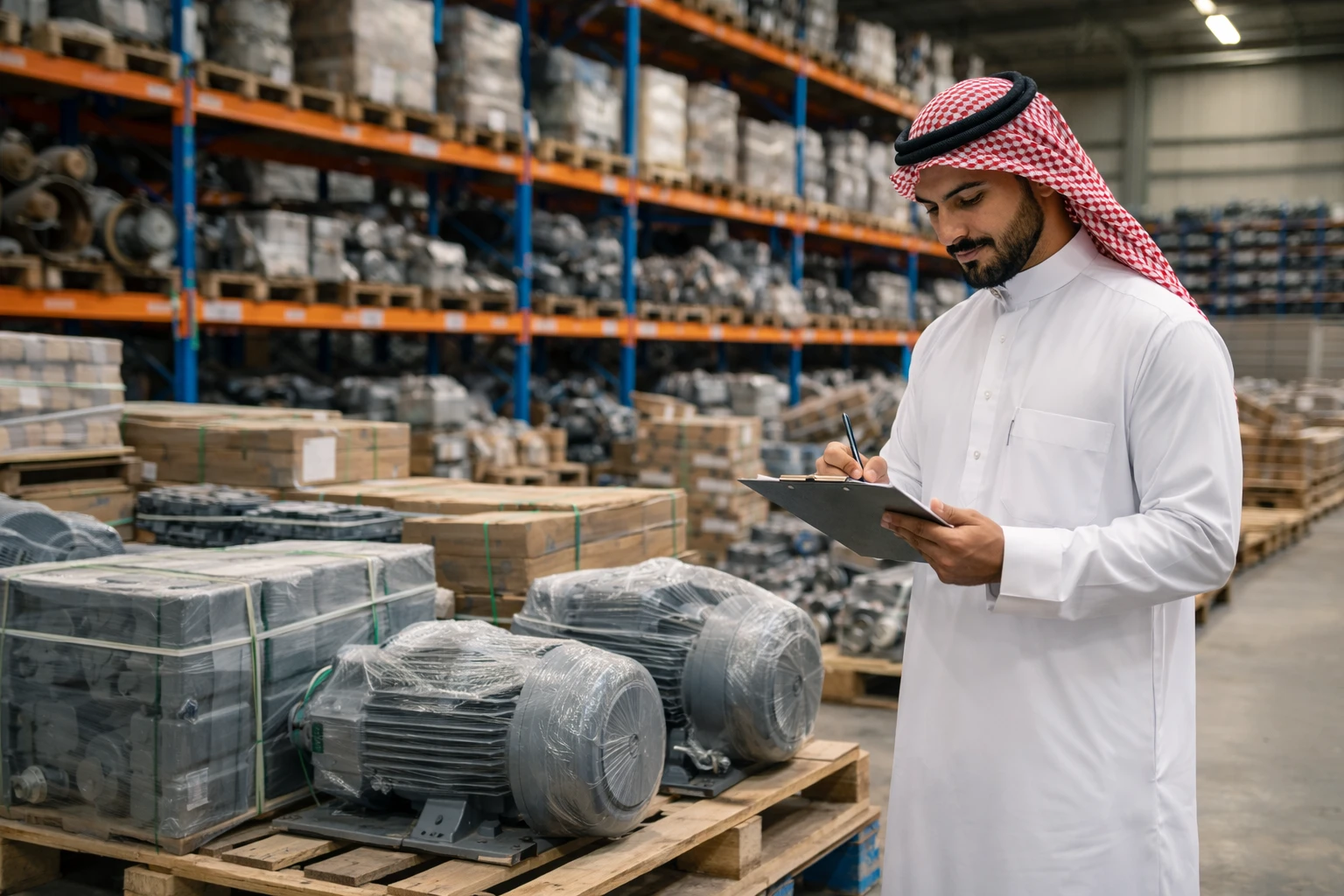
However, rapid growth naturally produces a secondary effect: surplus assets. Equipment upgrades, project transitions, over-procurement, and shifting operational strategies create a growing volume of unused machinery, materials, and inventory.
What was once considered dormant stock is now emerging as a structured secondary market opportunity.
The Economic Scale of Surplus Assets
Across construction, oil & gas, manufacturing, and logistics sectors, millions — and potentially billions — of riyals are tied up in idle assets each year.
These include:
- Heavy machinery replaced during upgrades
- Excess construction materials after project completion
- Warehouse overstock inventory
- Spare parts no longer aligned with new systems
- Equipment from closed or restructured facilities
When left unmanaged, these assets quietly depreciate while occupying valuable storage space.
From Depreciation to Liquidity
Forward-thinking companies in Saudi Arabia are no longer treating surplus as waste. Instead, they are integrating structured resale into their asset management strategy.
By redistributing surplus equipment within the Kingdom, businesses can:
- Recover working capital
- Improve balance sheet efficiency
- Reduce warehousing costs
- Accelerate asset turnover cycles
Surplus trading transforms passive assets into liquidity.
Strengthening the Domestic Industrial Ecosystem
One of the most overlooked advantages of surplus trading is its impact on local industry. When companies source equipment domestically instead of importing new assets, the Kingdom benefits from:
- Reduced procurement lead times
- Lower capital expenditure for SMEs
- Stronger local supply chains
- Increased domestic trade activity
This aligns directly with Vision 2030’s focus on economic diversification and private sector growth.
The Digital Transformation of Surplus Trading
Traditionally, surplus asset sales were informal, limited to internal networks or small broker circles. Today, digital B2B platforms are formalizing this market.
Structured marketplaces provide:
- Nationwide visibility
- Standardized asset listings
- Transparent pricing
- Efficient buyer-seller communication
This digital infrastructure is transforming surplus from a hidden inefficiency into an organized secondary market.
A Strategic Advantage for 2026 and Beyond
As Saudi Arabia continues to modernize its industrial landscape, efficient capital allocation will separate leading companies from the rest.
Organizations that proactively manage surplus assets will gain financial flexibility, operational efficiency, and competitive advantage.
Surplus trading is no longer about liquidation — it is about strategic optimization in a rapidly evolving economy.