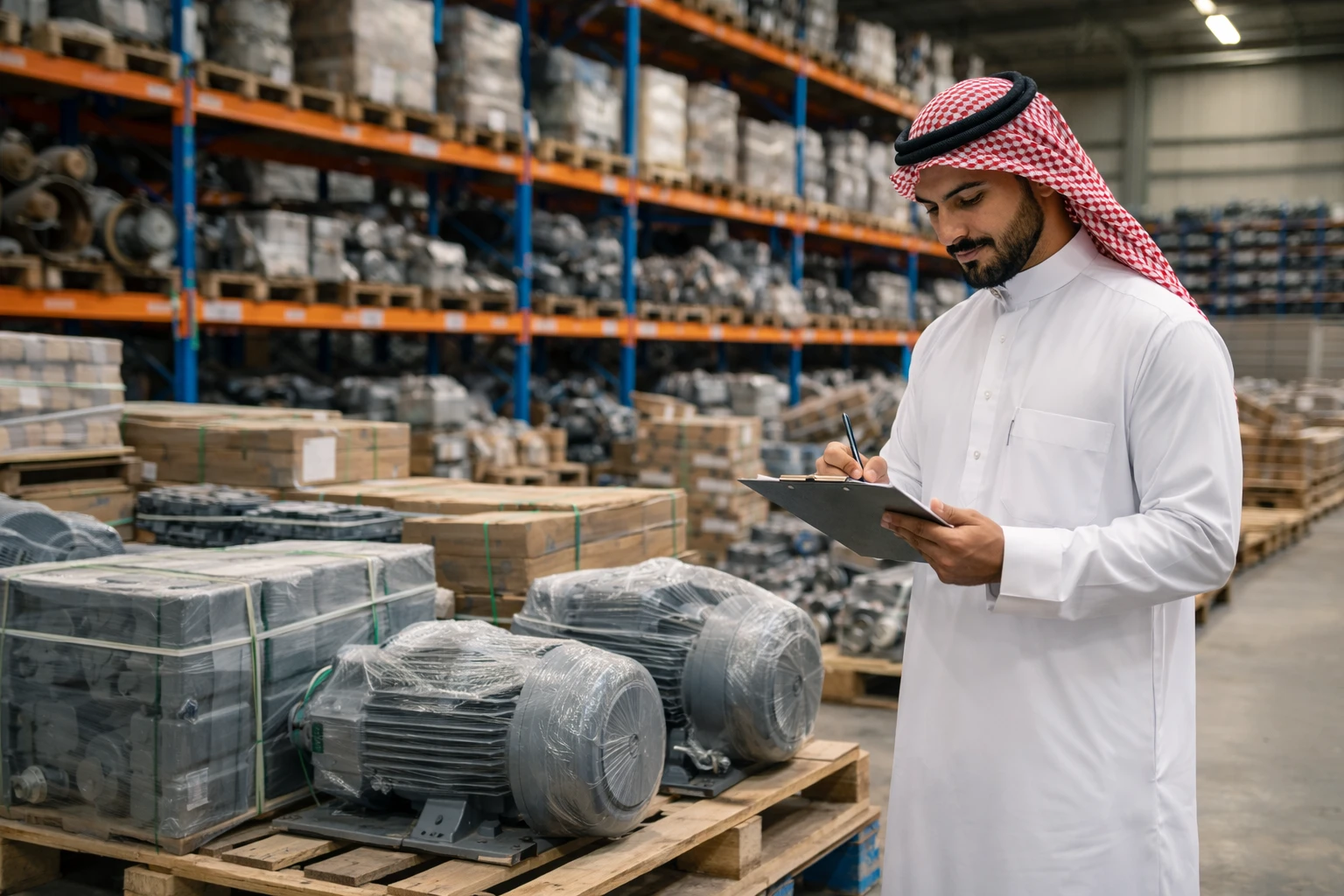
The Rise of Industrial Surplus in Saudi Arabia
Saudi Arabia’s industrial sector is expanding rapidly under Vision 2030, with new manufacturing facilities, logistics hubs, and infrastructure projects developing across the Kingdom. As industrial activity increases, so does the volume of surplus equipment, materials, and unused inventory.
Instead of allowing valuable assets to remain idle or depreciate in storage, companies are increasingly turning to structured surplus resale platforms to recover capital and improve operational efficiency.
What Is Industrial Surplus?
Industrial surplus includes unused, overstocked, discontinued, or excess assets such as:
- Machinery and production equipment
- Construction materials
- Electrical components
- Industrial tools
- Spare parts and inventory stock
- Warehouse overstock materials
These assets often remain in excellent working condition but are no longer required due to project changes, upgrades, or strategic shifts.
Capital Recovery and Financial Optimization
Idle assets represent locked capital. By reselling surplus inventory, companies can:
- Free up warehouse space
- Improve cash flow
- Reduce depreciation losses
- Strengthen balance sheets
For many businesses, surplus resale becomes part of a broader asset optimization strategy rather than a one-time liquidation event.
Supporting Vision 2030 Through Resource Efficiency
Saudi Arabia’s Vision 2030 emphasizes sustainability, economic diversification, and industrial efficiency. Surplus asset redistribution aligns with these goals by reducing waste and promoting resource optimization.
Instead of importing new equipment, local companies can source high-quality surplus assets within the Kingdom, reducing costs and lead times.
- Reduced industrial waste
- Improved domestic trade activity
- Lower procurement expenses
- Stronger local supply chains
Benefits for Buyers
Buyers in Saudi Arabia gain several advantages when sourcing surplus assets:
- Competitive pricing compared to new equipment
- Faster availability
- Access to discontinued or hard-to-find parts
- Flexible purchasing options
This is particularly valuable for contractors, manufacturers, and maintenance teams operating under tight project deadlines.
Benefits for Sellers
Sellers benefit from turning dormant inventory into working capital. Structured surplus marketplaces help sellers:
- Reach a wider national buyer base
- Standardize listings and pricing
- Increase asset visibility
- Accelerate liquidation timelines
A transparent digital platform improves trust and reduces negotiation friction.
Digital Marketplaces and the Future of Surplus Trading
The growth of B2B digital platforms in Saudi Arabia is transforming how industrial assets are traded. Online marketplaces streamline communication, provide structured listings, and simplify transaction processes.
As the Saudi industrial ecosystem continues to expand, surplus asset trading will become a strategic tool for operational efficiency and financial performance.
Looking Ahead
In an economy focused on modernization and efficiency, surplus asset resale is no longer viewed as secondary. It is a practical, strategic solution that supports both profitability and sustainability.
For businesses across the Kingdom, structured surplus trading represents an opportunity to unlock value while contributing to a stronger, more efficient industrial market.