
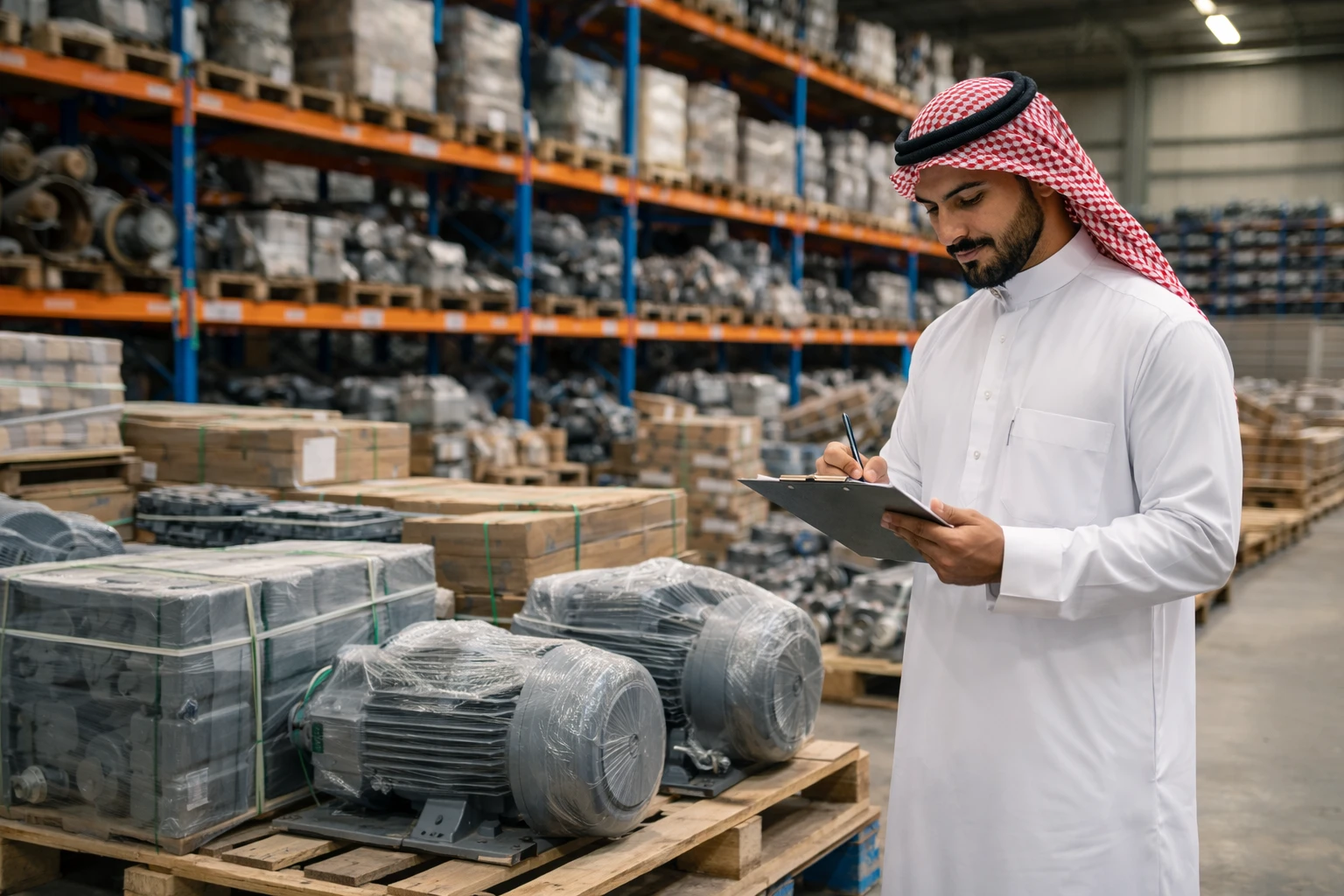
Many companies accumulate excess inventory over time. Whether due to project changes, overestimated procurement, canceled contracts, or seasonal demand shifts, surplus materials often end up occupying valuable warehouse space. Instead of allowing these materials to depreciate or become obsolete, businesses are increasingly converting them into revenue through surplus sales.
For companies operating in Saudi Arabia's growing industrial and construction sectors, managing excess inventory effectively is becoming a key part of financial efficiency. Selling surplus materials through digital marketplaces offers a practical solution that benefits both sellers and buyers across multiple industries.
What Causes Surplus Inventory?
Surplus inventory can arise from many operational situations. Procurement teams may order additional materials to avoid supply shortages, projects may be delayed or canceled, or companies may transition to newer equipment and materials. As a result, warehouses often contain unused goods that still hold significant market value.
Common surplus materials include construction supplies, electrical components, mechanical parts, tools, packaging materials, industrial equipment, and maintenance supplies. In many cases, these items are new or lightly used and remain fully functional.
The Hidden Costs of Holding Surplus
Keeping unused materials in storage may appear harmless, but it can create hidden operational costs. Warehousing space, inventory management, insurance, and depreciation all add up over time. Additionally, older inventory may lose market value as new models or updated materials enter the market.
By selling surplus inventory early, companies can recover part of their investment and prevent these ongoing costs from accumulating.
Why Surplus Marketplaces Are Effective
Traditional methods of selling excess inventory often relied on personal networks or local brokers. While these channels still exist, digital surplus marketplaces have significantly improved the efficiency of buying and selling surplus materials.
Platforms like SaudiSurplus.com connect businesses across the Kingdom, allowing sellers to list surplus materials and reach a wider audience of potential buyers. Buyers benefit from access to competitively priced materials, while sellers gain a streamlined way to recover value from idle inventory.
Best Practices for Selling Surplus Materials
To maximize success when selling surplus materials, businesses should follow several best practices:
- Provide clear descriptions and specifications for listed items.
- Include accurate quantities and condition details.
- Use clear product images when possible.
- Set competitive pricing based on market demand.
- Respond promptly to buyer inquiries.
These practices help build trust and improve the likelihood of successful transactions.
A Smarter Approach to Inventory Management
Modern inventory strategies are increasingly focused on efficiency and resource optimization. Selling surplus materials not only generates revenue but also improves warehouse organization and frees up space for critical operations.
As more companies adopt digital solutions for procurement and inventory management, surplus marketplaces are becoming an essential component of the industrial supply chain in Saudi Arabia. Businesses that actively manage their surplus inventory are better positioned to reduce costs, increase liquidity, and operate more efficiently.